Доставка обедов в офис in 2024: what's changed and what works
Office lunch delivery has morphed into something wildly different from what it was just a few years ago. The pandemic rewired how companies think about feeding their teams, and now that everyone's back at their desks (mostly), the rules have changed again. Here's what actually matters in 2024.
1. Hybrid Schedules Mean Flexible Order Volumes
Remember when you could predict exactly 47 lunches every Tuesday? Those days are gone. Companies now need services that let them order for 15 people on Monday, 42 on Wednesday, and maybe 8 on Friday when half the team works remote. The best services have ditched minimum order requirements or dropped them to something reasonable like 5-7 meals.
Smart vendors now offer same-day adjustments until 9 or 10 AM. Your finance team decided to come in last minute? No problem. Three people called in sick? Cancel those portions without penalty. This flexibility costs providers more to manage, but it's become non-negotiable for companies dealing with unpredictable office attendance.
2. Diet Preferences Got Seriously Specific
Vegetarian, vegan, and gluten-free used to cover most bases. Now you've got team members asking for low-FODMAP, keto, paleo, and dairy-free options all in the same order. One marketing agency in Manhattan reported having 23 different dietary requirements across a 35-person team.
The delivery services that survived 2023 figured out how to handle this chaos. They're using better ordering platforms where employees pick their own meals 24-48 hours ahead. This shifts the complexity from the office manager to the system. You're not juggling spreadsheets anymore—everyone logs in, selects what works for them, and the kitchen handles the rest.
3. Pricing Transparency Became Essential
Hidden fees killed a lot of vendor relationships in the past two years. Companies got tired of seeing $12 per meal balloon to $18 after delivery charges, service fees, and mysterious "operational costs." The winners in 2024 are upfront about everything: $15 per person means $15, not $15 plus six other line items.
Some services now offer monthly subscriptions with locked-in rates. Pay $2,400 for up to 200 meals that month, use them however you want. Others bundle delivery into the per-meal cost from the start. Either way, finance teams want predictable budgets, and vendors finally got the message.
4. Delivery Windows Tightened Up
Nobody wants lunch arriving at 1:30 PM when everyone's already hangry and halfway to the deli. Reliable services now commit to 30-minute windows, not the old "sometime between 11:30 and 1:00" nonsense. Technology helped here—GPS tracking, route optimization, and better logistics mean your food shows up when they say it will.
The standout move? Some vendors started offering staggered delivery for larger offices. First batch arrives at 11:45 for the early lunch crowd, second at 12:30 for everyone else. It prevents that chaotic feeding frenzy and keeps food fresher.
5. Packaging Actually Matters Now
Sustainability went from nice-to-have to deal-breaker. Tech companies especially won't touch services using styrofoam or excessive plastic. Compostable containers, recyclable packaging, and reusable options are standard expectations. One service in San Francisco introduced a container return program—leave your cleaned containers in the office kitchen, they pick them up next delivery, you get $1 credit per container.
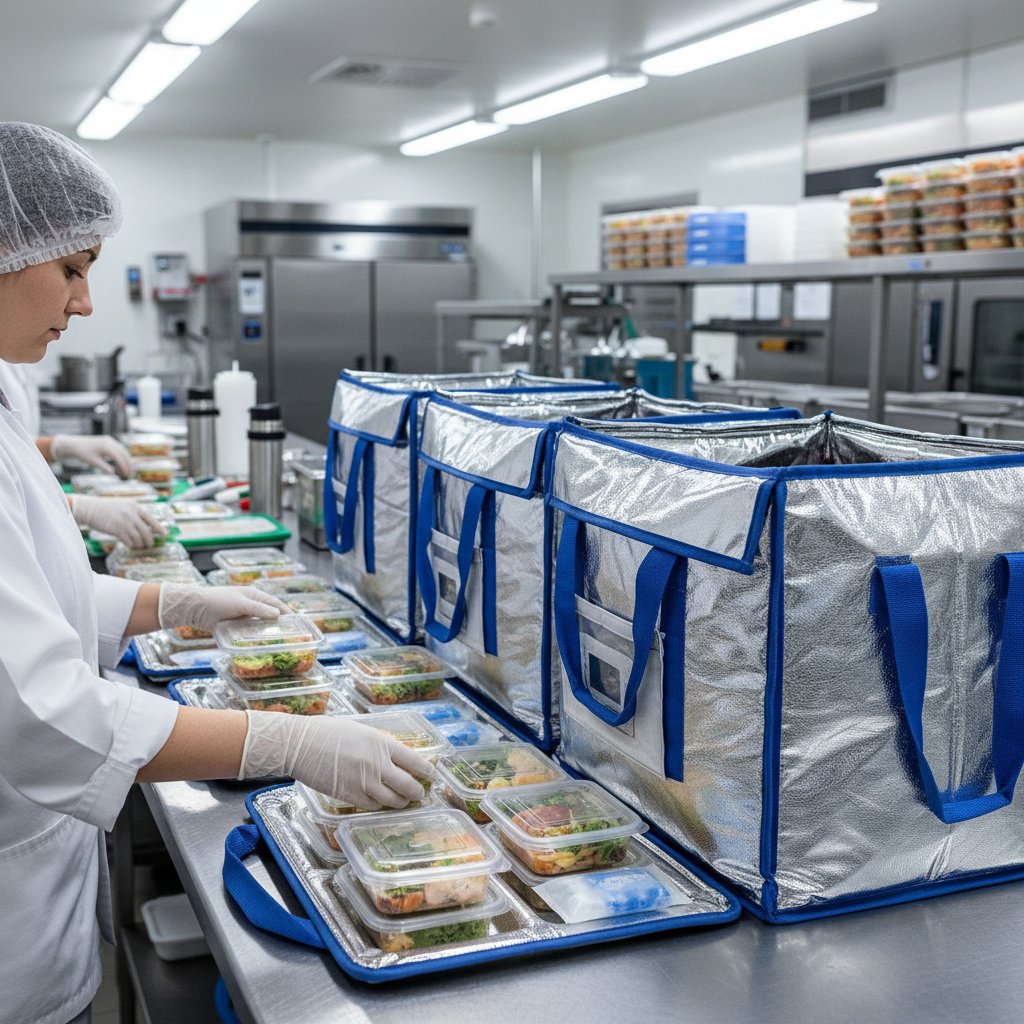
Beyond environmental concerns, packaging quality affects the eating experience. Meals that arrive in compartmentalized containers with proper insulation taste better and look more appetizing than stuff dumped in a single container where the dressing soaked into everything.
6. Local Restaurants Joined the Game
Corporate catering companies don't dominate like they used to. Offices discovered they could work directly with neighborhood restaurants through platforms that handle the coordination. Your team gets authentic Thai food on Monday, proper Italian on Wednesday, and Mexican on Friday—all from actual restaurants, not a commissary kitchen trying to do everything.
This approach costs about 15-20% more per meal but dramatically increases satisfaction. Employees actually look forward to lunch instead of tolerating it. Turnout improves, and weirdly, it becomes a retention thing. People mention the good food when explaining why they like working somewhere.
7. The Analytics Got Smarter
Modern platforms track what people actually eat, not just what they order. That Mediterranean bowl that looks great but consistently comes back half-eaten? The system flags it. Over time, you get data showing your team loves spicy food, avoids heavy cream sauces, and really wants more protein options.
This feedback loop helps you make better choices and negotiate with vendors. You're not guessing what to order—you've got three months of data showing exactly what works. Some services even predict orders based on past patterns and team size, cutting your planning time to basically nothing.
Office lunch delivery in 2024 rewards companies that treat it like the operational and cultural decision it actually is. The services that understand hybrid work realities, respect dietary complexity, and deliver consistent quality without surprises are the ones building long-term relationships. Everything else is just expensive mediocrity.